
ABOUT
Jacquard Works[ジャカード・ワークス]について
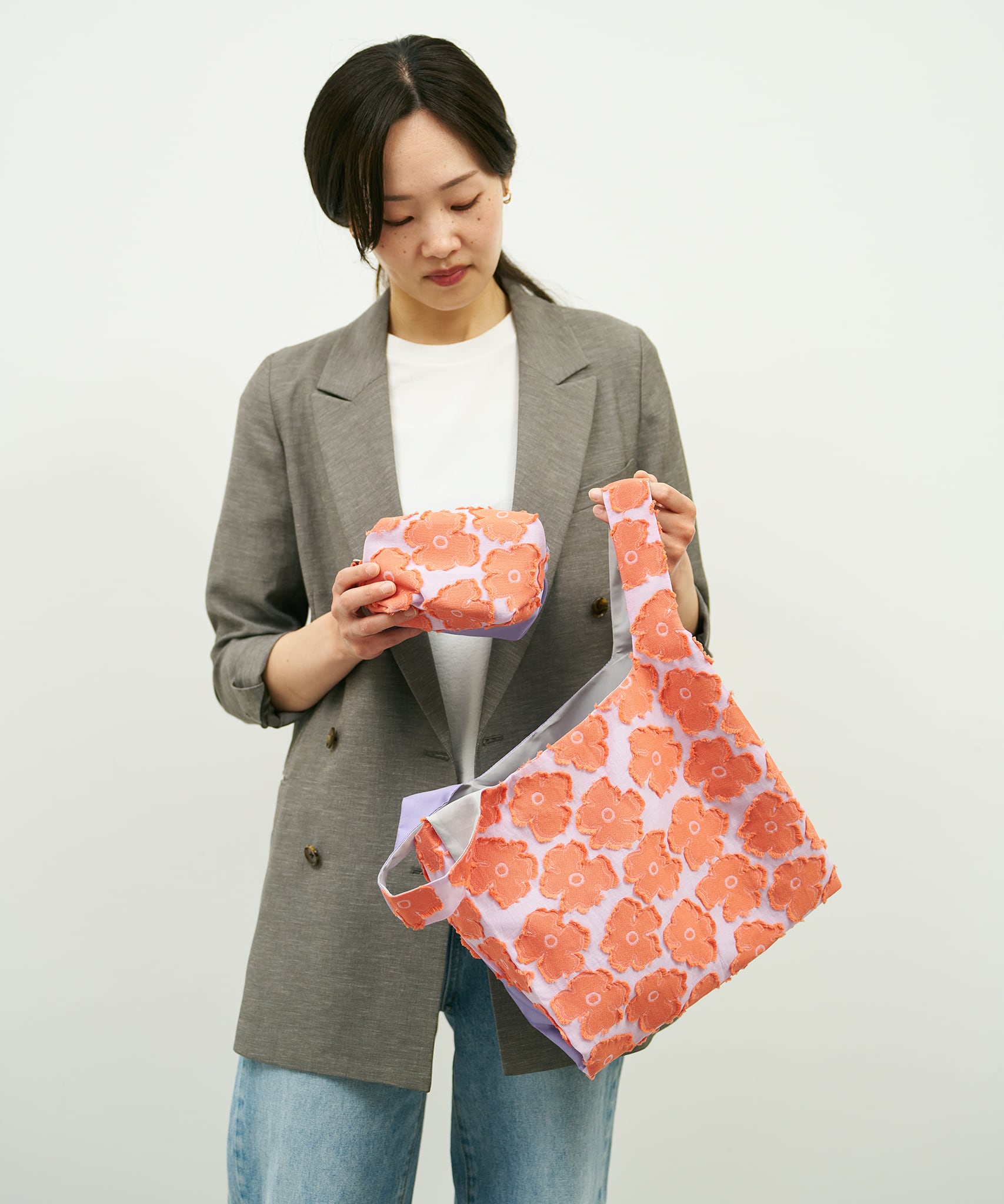
Jacquard Works [ジャカード・ワークス] は、
1300年以上つづく織物のまち「桐生」より、創業120年の老舗機屋・SUSAIがおくるファクトリーブランドです。
職人たちの技術が詰まった個性豊かなジャカード織物を、
日々の暮らしに自然に取り込めるような製品にしてお届けしています。
About Jacquard Works
Jacquard Works is an in-house brand by SUSAI, a long-established weaver with over 120 years of history. We are based in Kiryu, Japan, a historic textile town with more than 1,300 years of weaving history.
By infusing the exceptional skills and expertise of our artisans into distinctive jacquard textiles, we create products that seamlessly blend the beauty of traditional weaving into modern, everyday living.
Jacquard Works誕生のきっかけ
近年の日本の織物づくりは、衣料品の低価格化と生産拠点の海外移転により、大きな打撃を受けてきました。
私たち日本人は海外で生産された安価な衣服を多く購入出来るようになり、
日本の高度な技術で織られた生地を身に纏う機会は随分と少なくなりました。
一部の生地は、海外の高級ブランドから厚い信頼を受けて輸出されているものの、
高度な技術を持ちながらも、事業を終了せざるを得なかった小さな工場も全国に無数にあります。
このような形で日本の織物技術が継承の機会を失うと、近い将来に日本ではほとんど織物を織れないという事態になりかねない。
桐生でも、1300年以上かけて培われてきた多くの技術が消えてしまいかねない。
この強い危機感が、私たちをJacquard Worksの立ち上げに導きました。
ジャカード織物の製造工程は複雑で、多いときは10名以上もの職人による技術の連携で、初めて一枚の生地が織り上がります。
この職人たち一人一人の技術を後世に残したくて、そして多くの方に日本の素晴らしいジャカード織物をお届けしたくて、
私たちは日々製品を作り続けています。
The inspiration behind Jacquard Works
In recent years, Japan’s textile industry has faced significant challenges due to the growing demand for low-cost apparel and the relocation of production facilities overseas. As consumers, we have gained access to a wide range of affordable clothing manufactured abroad. At the same time, opportunities to wear fabrics woven in Japan using highly advanced techniques have become increasingly rare. While some Japanese textiles continue to earn the trust of prestigious international luxury brands and are exported worldwide, countless small factories across Japan—despite possessing exceptional craftsmanship—have been forced to close their doors. If this trend continues, Japan risks losing the opportunity to pass down its textile-making expertise to future generations. In the not-so-distant future, it could become difficult to produce woven fabrics in Japan at all.
Here in Kiryu, many of the techniques cultivated over more than 1,300 years could also disappear. This deep sense of urgency led us to establish Jacquard Works. The process of creating jacquard textiles is highly intricate. In many cases, a single piece of fabric is only completed through the coordinated expertise of more than ten skilled artisans, each contributing a specialized craft. We created Jacquard Works because we want to preserve these invaluable skills for future generations and share the beauty of Japan’s extraordinary jacquard textiles with people around the world. With that mission in mind, we continue to create our products every day.



Jacquard Worksが誕生したまち「桐生」
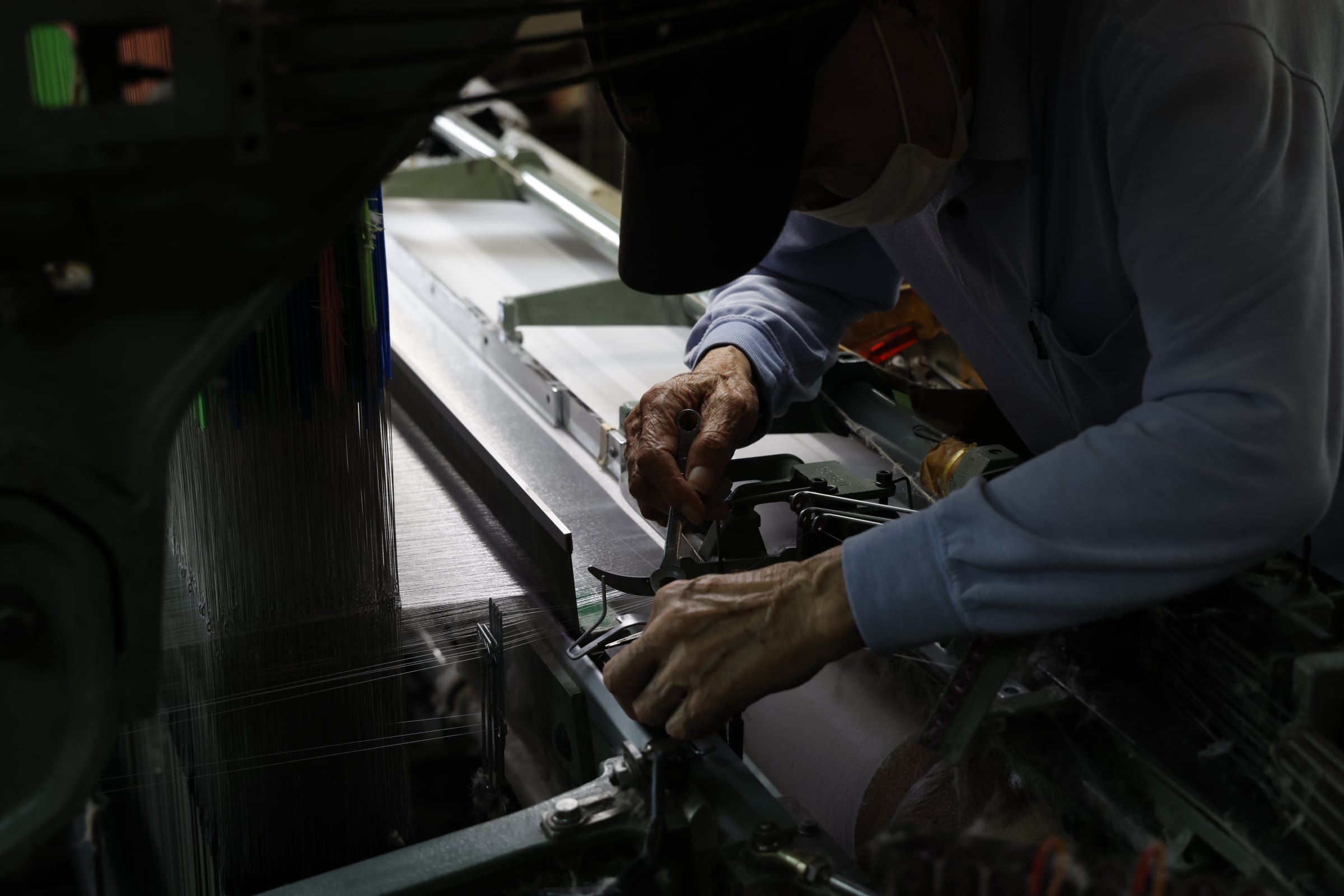
赤城山や吾妻山などの山々に囲まれ、渡良瀬川がまちの中心を流れる自然に溢れた桐生のまちは、
古くから織物の街として栄えてきました。
桐生の織物の起こりは、今から1300年ほど前の奈良時代まで遡ります。
有史上の初出は続日本紀で、この地には昔から織物産業が盛んであった事がわかります。
慶長5年(1600年)、関ヶ原の戦いでは、徳川家康の要請により、
旗絹をわずか1日で2410疋も織り出し、東軍の勝利に貢献したという話も残されています。
江戸時代には『西の西陣、東の桐生』と称され、高級織物を中心として、昭和初期までの日本の基幹産業を支えてきました。
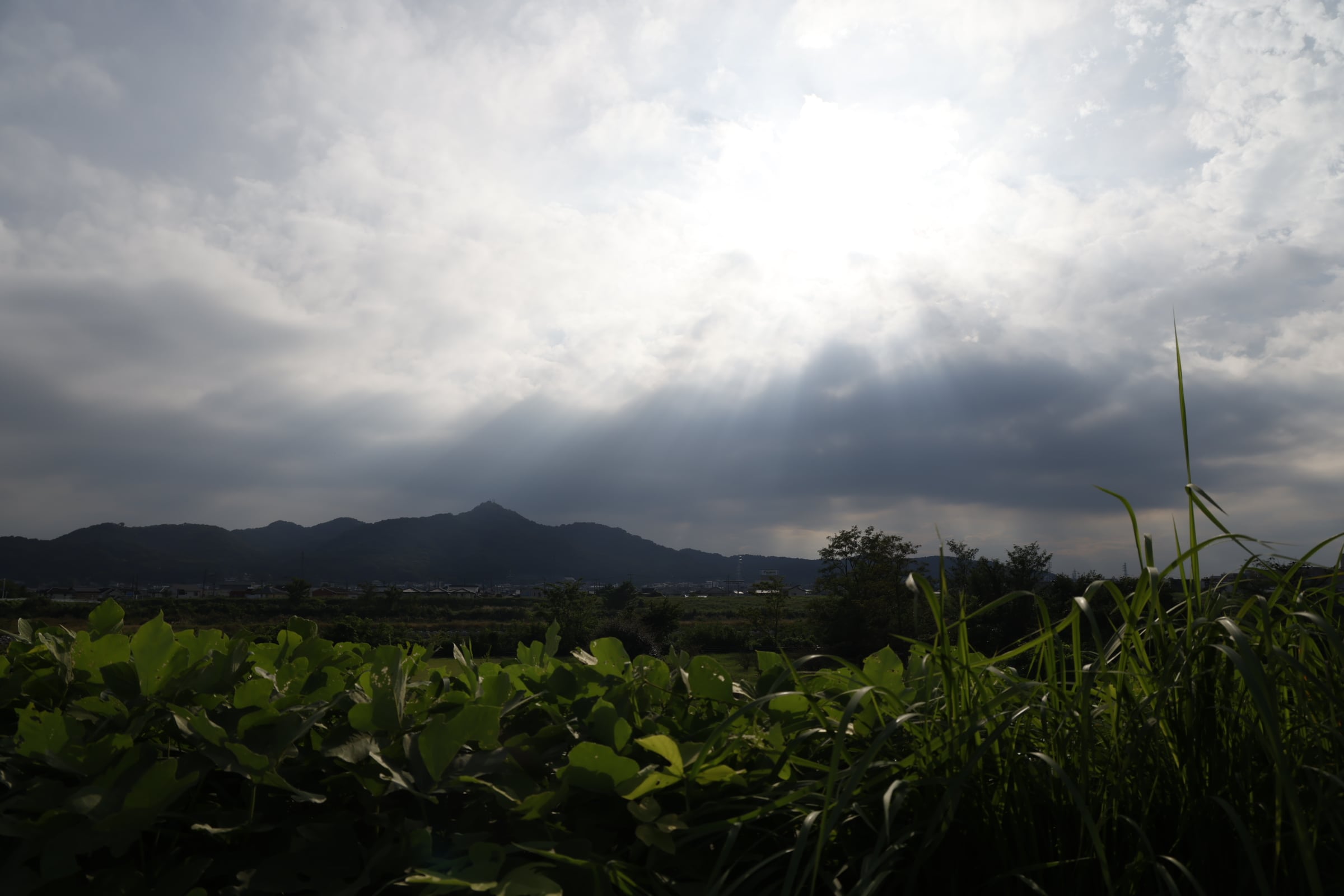
昭和期には、ノコギリ屋根の織物工場が数多く建てられ、今もその姿を市内で見ることができます。
現在も、桐生は企画から製品化までのデザイン、撚糸、染め、織り、編み、刺繍、縫製など、
多くの工程の技術が集積した繊維産地となっています。
City of Kiryu, where Jacquard Works was born
Surrounded by mountains such as Mt. Akagi and Mt. Azuma, and blessed by the Watarase River flowing through its center, the city of Kiryu has long prospered as one of Japan’s foremost textile-producing regions. The origins of Kiryu’s textile industry date back approximately 1,300 years to the Nara period. Its earliest recorded mention appears in the historical chronicle Zoku Nihonki, indicating that textile production had already flourished in the area since ancient times.
In 1600, during the Battle of Sekigahara, local weavers answered a request from Tokugawa Ieyasu by producing 2,410 lengths of banner silk in just a single day, a feat said to have contributed to the victory of the Eastern Army. During the Edo period, Kiryu earned the distinction of being called “Kiryu in the East, Nishijin in the West,” standing alongside Kyoto’s renowned Nishijin district as one of Japan’s leading centers for fine textiles. Supported by the production of high-quality woven fabrics, the region helped sustain one of Japan’s key industries through the early Showa era.
In the Showa period, numerous textile mills featuring distinctive sawtooth roofs were built throughout the city, many of which can still be seen today as symbols of Kiryu’s industrial heritage. Today, Kiryu remains a comprehensive textile production center where expertise from every stage of the manufacturing process is concentrated in one region. These skills include textile design and product development, yarn twisting, dyeing, weaving, knitting, embroidery, and sewing. This rich accumulation of craftsmanship and technology continues to support Kiryu’s reputation as one of Japan’s most distinguished textile-producing regions.
1300余年の歴史を持つ繊維産地で、三代に渡り営むジャカード織物の機屋
Jacquard Worksの製品を製作しているSUSAI(須裁株式会社)は、
桐生にて初代・須永裁七が1906年に「須裁織物工業」として創業し、機屋としての歩みを始めた会社です。
以降、創業から110余年、古くはシルクを使った帯地などの和装用生地から、
輸出向けのドレス用生地までを手掛けていました。
近年では、国内向け婦人服用のジャカード織生地などが主となっており、
そのときどきの時代背景や流行によって用途やデザインは変われど、三代に渡ってジャカード織物を織り続けています。
A Jacquard weaving mill with three generations of heritage in a textile region with over 1,300 years of history
The products of Jacquard Works are created by SUSAI Co., Ltd., a jacquard weaving mill based in Kiryu. The company traces its origins to 1906, when its founder, Saishichi Sunaga, established Susai Textile Manufacturing, beginning a legacy of textile craftsmanship that continues to this day. For more than 120 years since its founding, SUSAI has produced a wide range of woven fabrics. In its early years, the company specialized in traditional Japanese textiles, including silk fabrics for obi sashes and other kimono-related applications. It later expanded into fabrics for export markets, including materials for dresses and formal wear.
Today, SUSAI primarily produces jacquard fabrics for women's apparel in the Japanese market. While the uses, designs, and styles of its textiles have evolved with changing fashions and social trends, one thing has remained constant: for three generations, the company has continued the art of jacquard weaving, preserving and advancing the craftsmanship that defines Kiryu’s textile heritage.
ジャカード織物とは
皆さんが日常生活で触れている布地は、大きく分けると織り物、編み物、不織布、があります。
編み物は、靴下、Tシャツ、セーターなど。不織布は、マスクなどです。その他の多くの布地は織り物となります。
織り物の中でも、ジャカード織物は、1801年にフランスの発明家、
ジョゼフ・マリー・ジャカール(英語読み:ジャカード)氏によって発明された自動織機である、
ジャカード織機を使って織られた織物を指します。
このジャカード織機は、1873年に、フランスやオーストリアから、はじめて日本(京都・西陣)に導入されました。
1877年以降には、当社のある群馬県桐生へも導入され、
その後も桐生を中継地として、改良されたジャカード織機が全国各地に広まっていきました。
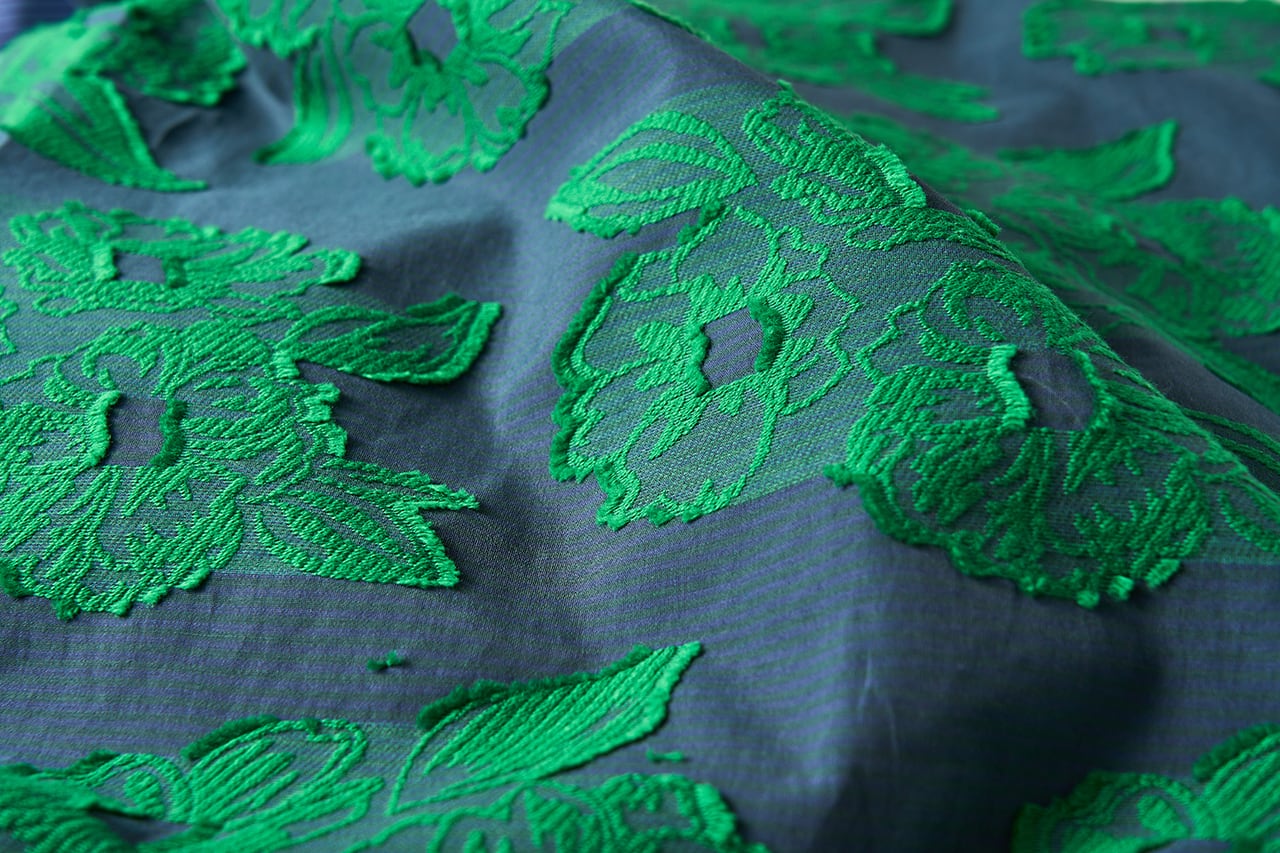
ジャカード織のような「織物」は、布地の上から絵柄を印刷した「プリント生地」と異なり、
色や柄のデザインが一本一本の糸の構成により、生地自体に織り込まれています。
このため、自然な立体感や豊かな表現が可能で、婦人服や紳士用ジャケット等によく使用されています。
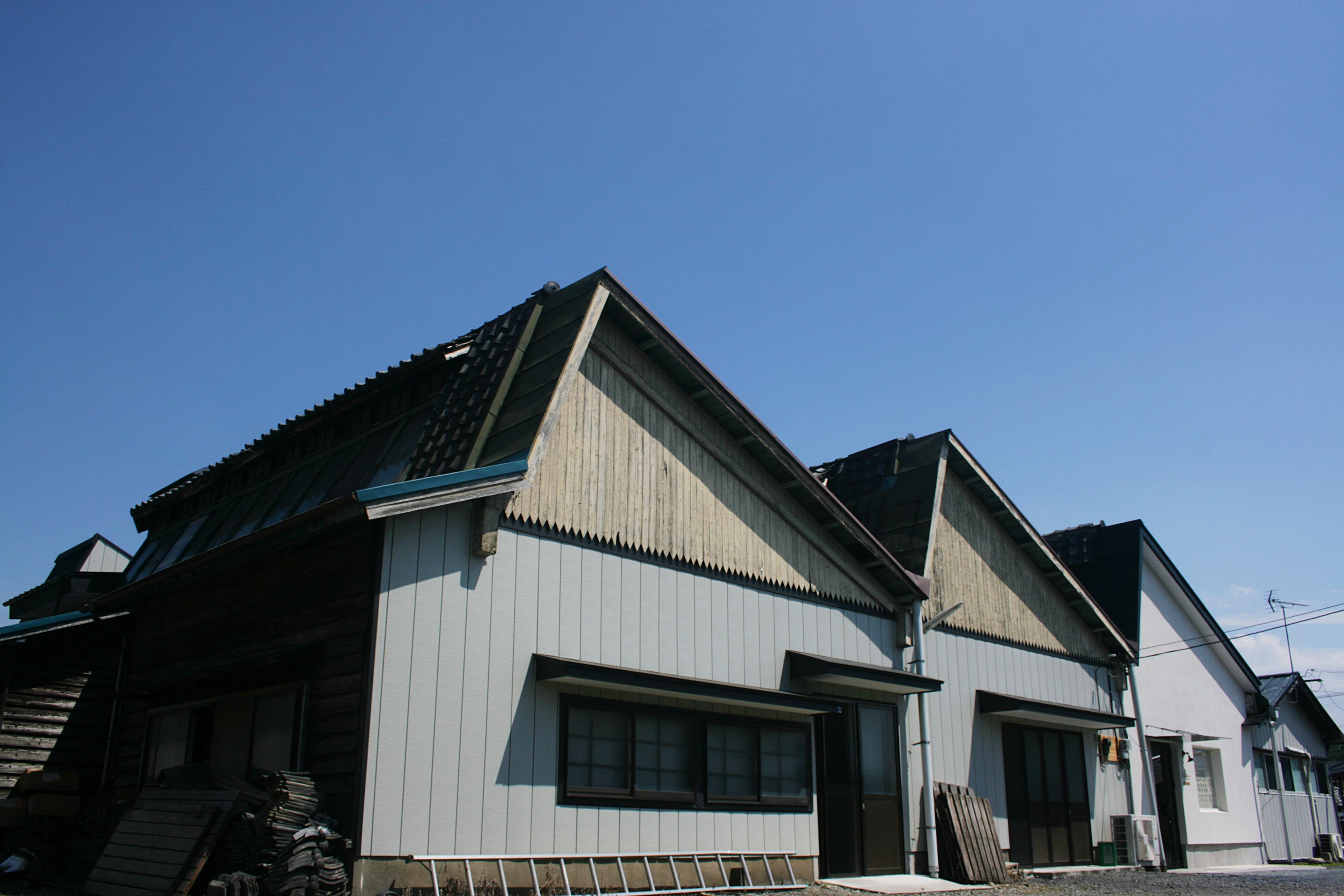
このジャカード織物が織り上がるまでには、数多くの工程を経る必要があり、
その工程にはそれぞれ個別に専門の職人が携わっています。
現在では、これらの工程の一部が、近代化・効率化の流れの中でデジタル化されたり、
小さなロボットによる作業に置き換えられたりはしているものの、
原理的には100年前とあまり変わらない技法が今でも引き継がれています。
ジャカード織物は、複数の素材を使用したものであればあるほど、多くの職人が関与し、
多様で複雑な、しかし個性的で美しい表現が可能となります。
沢山の職人たちが丹精込めて丁寧に織り上げたジャカード織物を、どうぞ身近に置いて頂き、お楽しみください。
What Is Jacquard Weaving?
The fabrics we encounter in our daily lives can generally be divided into three categories: woven fabrics, knitted fabrics, and nonwoven fabrics. Knitted fabrics are used for items such as socks, T-shirts, and sweaters, while nonwoven fabrics are commonly used in products such as face masks. Most other textiles are woven fabrics. Among woven fabrics, jacquard fabrics are textiles produced using a jacquard loom, an automated weaving machine invented in 1801 by the French inventor Joseph Marie Jacquard. The loom bears his name and revolutionized textile production by enabling the weaving of highly intricate patterns directly into fabric. The jacquard loom was first introduced to Japan in 1873 from France and Austria, arriving in the renowned weaving district of Nishijin in Kyoto. By 1877, the technology had reached Kiryu in Gunma Prefecture, where SUSAI is based today. From Kiryu, improved versions of the jacquard loom spread throughout Japan, contributing to the development of textile industries across the country.
Unlike printed fabrics, where patterns are applied to the surface after the fabric is made, jacquard textiles are woven so that colors and designs become an integral part of the fabric itself. Each pattern is created through the precise arrangement of individual threads, resulting in rich textures, natural depth, and a distinctive three-dimensional quality. Because of these characteristics, jacquard fabrics are widely used in women's fashion, men's jackets, and other garments that require elegance, texture, and visual sophistication.
Creating jacquard fabric involves numerous production stages, each requiring specialized skills and expertise. Traditionally, dedicated artisans were responsible for each individual process. While some stages have become digitized or assisted by small automated machines as technology has advanced, the fundamental principles and techniques remain remarkably similar to those used more than a century ago. The more materials, textures, and yarn types incorporated into a jacquard fabric, the greater the level of craftsmanship required. As a result, multiple artisans often contribute their expertise to create textiles that are intricate, expressive, and uniquely beautiful. We invite you to experience the artistry of jacquard weaving for yourself and enjoy these carefully crafted textiles, brought to life through the dedication and skill of countless artisans.
SUSAI note「ジャカード織生地が出来るまで」連載中
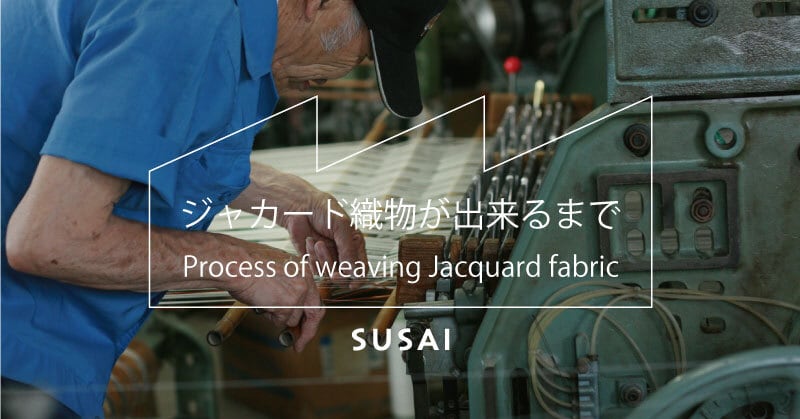
Jacquard Worksの製品を製作しているSUSAIのジャカード織生地ができるまでの工程について、それぞれの工程に携わる職人たちの技術や工夫などを、Jacquard Worksのディレクターが綴っています。是非ご一読ください。
Process of weaving Jacquard fabric
The director of Jacquard Works writes about the production process of jacquard fabrics at SUSAI Co., Ltd., the weaving mill that produces Jacquard Works products, introducing the techniques and ingenuity of the artisans involved in each stage of the process. Available in Japanese only.
企業情報
須裁株式会社(SUSAI Co.,Ltd.)
代表取締役 須永 康弘
〒376-0034 群馬県桐生市東五丁目4-9
TEL :0277-45-2750
E-MAIL:shop*jacquard-works.jp (*を@に変更して送信ください)
Company Information
SUSAI Co., Ltd.
4-9 Higashi 5-chome, Kiryu, Gunma 376-0034, Japan
TEL: +81-277-45-2750
E-mail: shop*jacquard-works.jp
(Please replace * with @ when sending your email.)